Korean Beef Bulgogi
This post may contain affiliate links. Please see our privacy policy for details.

This Korean beef bulgogi dish is an easy recipe for Korean BBQ with the most flavorful marinade! And the thin slices of meat cook so quickly!

Why you’ll love this korean beef bulgogi
- Korean BBQ right at home. We’re talking marinated, tender meat with big bold flavors, cooked in just seconds and served with perilla leaves, white rice, and ssamjang (best known as a Korean BBQ dipping sauce). Yes, please!
- Dream weeknight dinner. This is one of those convenient, easy recipes you can make ahead of time (ideal for those busy weeknights!), marinating the Korean beef overnight for the most effortless prep ever. When ready to serve, the meat will cook through in just a few short minutes right in a hot cast iron skillet!
- Recipe that never disappoints. Korean bulgogi is a recipe you can keep coming back to week after week, serving over your favorite grains (ex. white rice, brown rice, fried rice, or cauliflower rice) and toppings (broccoli, carrots, corn, spinach, or peas).
what is korean bulgogi?
Bulgogi (불고기) is a Korean dish made of thinly-sliced meat typically marinated in soy sauce, sugar, sesame oil, garlic, ginger, and pear. Bulgogi is most commonly made with beef, but can also be made with chicken or pork.

How to make Korean beef bulgogi
- Slice the beef. Wrap the ribeye steak in plastic wrap and freeze for 30 minutes prior to slicing. This will make the meat firm and stable, allowing you to cut smooth, razor-thin 1/4-inch thick slices.
- Prep the marinade. Whisk together the coarsely grated pear, soy sauce, brown sugar, sesame oil, garlic, ginger, and gochujang.
- Marinate. Combine the thinly sliced steak with the marinade, marinating for at least 2 hours (preferably overnight for maximum flavor).
- Sear the meat. Heat a cast iron grill pan or large cast iron skillet over medium-high heat with a splash of oil. Cook the beef in a single layer until slightly charred, caramelized, and cooked through, about 2-3 minutes. Pro tip: cook the beef in batches to avoid steaming the meat.
- Serve. Sprinkle with green onions and toasted sesame seeds, serving alongside steamed rice.
freezing and storage
Storage
Leftovers can be stored in an airtight container in the fridge for 2-3 days.
Reheating
Let the meat sit at room temperature for 10-15 minutes. Reheat over medium high heat, stirring frequently, until heated through.
Freeze before cooking
Transfer the marinated meat to an airtight, resealable freezer bag. Label, date and freeze up to 2 months. To cook, thaw overnight in the fridge and cook as directed, adding a few more minutes of cook time as needed.
Freeze after cooking
Let cool completely. Transfer the meat to an airtight, resealable freezer bag. Label, date and freeze up to 2 months. To reheat, thaw overnight in the fridge, reheating over medium high heat, stirring frequently, until heated through.

more favorited korean recipes
Tools For This Recipe
Korean Beef Bulgogi: Frequently Asked Questions
I prefer ribeye and top sirloin, but flank steak or skirt steak can also be used for a more budget-friendly option.
Fuji apple is an excellent substitute for the pear.
Gochujang is a red chili paste, a pantry staple in Korean cooking. It can be found in most grocery stores in a red, rectangular tub.
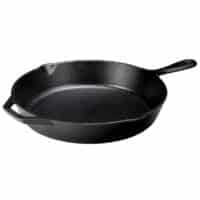
If you do not have a cast iron grill pan, you can also use a large cast iron skillet.
Bulgogi is commonly served with rice and a side of kimchi, cucumbers, perilla leaves and ssamjang.
Yes! Bulgogi freezes very well both before and after cooking, keeping in the freezer for up to 2 months.

Korean Beef Bulgogi

Video
Ingredients
- 1 ½ pounds boneless ribeye steak
- ½ small pear, peeled and coarsely grated
- ¼ cup reduced sodium soy sauce
- 2 tablespoons brown sugar
- 2 tablespoons toasted sesame oil
- 3 cloves garlic, minced
- 1 tablespoon freshly grated ginger
- 1 tablespoon gochujang, Korean red pepper paste
- 2 tablespoons vegetable oil, divided
- 2 green onions, thinly sliced
- 1 teaspoon toasted sesame seeds
Instructions
- Wrap steak in plastic wrap, and place in the freezer for 30 minutes. Unwrap and slice across the grain into 1/4-inch thick slices.
- In a medium bowl, combine pear, soy sauce, brown sugar, sesame oil, garlic, ginger and gochujang. In a gallon size Ziploc bag, combine soy sauce mixture and steak; marinate for at least 2 hours to overnight, turning the bag occasionally.
- Heat 1 tablespoon vegetable oil in a cast iron grill pan over medium-high heat. Working in batches, add steak to the grill pan in a single layer and cook, flipping once, until charred and cooked through, about 2-3 minutes per side. Repeat with remaining 1 tablespoon vegetable oil and steak.
- Serve immediately, garnished with green onions and sesame seeds, if desired.
Equipment

Notes
- Freeze the steak before slicing. The key to bulgogi is using paper thin slices of meat. Throwing the steak in the freezer for 20-30 minutes will make it easier to slice the meat into very thin, even pieces. Pre-sliced bulgogi beef is also readily available at Korean and Japanese grocery stores.
- Slice against the grain. Always slice the beef perpendicular to the muscle fibers, shortening the fibers to allow for a more tender bite.
- Pear adds maximum flavor. Adding coarsely grated pear will not only add a subtle sweetness to the marinade, but it will also help tenderize the meat. Korean pear or Bosc pear can be used.
- Use reduced sodium soy sauce. Reduced sodium has less sodium and less salt without compromising flavor.
- Watch the marinating time. Marinate the beef for at least 2 hours but no longer than 24 hours as the natural enzymes of the pear will break down the protein too much, resulting in mushy, mealy beef.
- Use a hot cast iron grill pan. A heavy bottom pan, such as a cast iron grill pan, retains heat much better than a nonstick skillet, allowing for even cooking, a better sear and smoky, caramelized flavors.
- Cook in batches. Work in batches to properly sear the meat for maximum caramelization and smoky flavors. An overcrowded pan will unfortunately steam the beef instead.
- Freeze as needed. Marinated bulgogi is very freezer-friendly, great for meal prep and making weeknight meals even easier and quicker.
Did you make this recipe?
Tag @damn_delicious on Instagram and hashtag it #damndelicious!
Featured Comment