Homemade Gnocchi
This post may contain affiliate links. Please see our privacy policy for details.
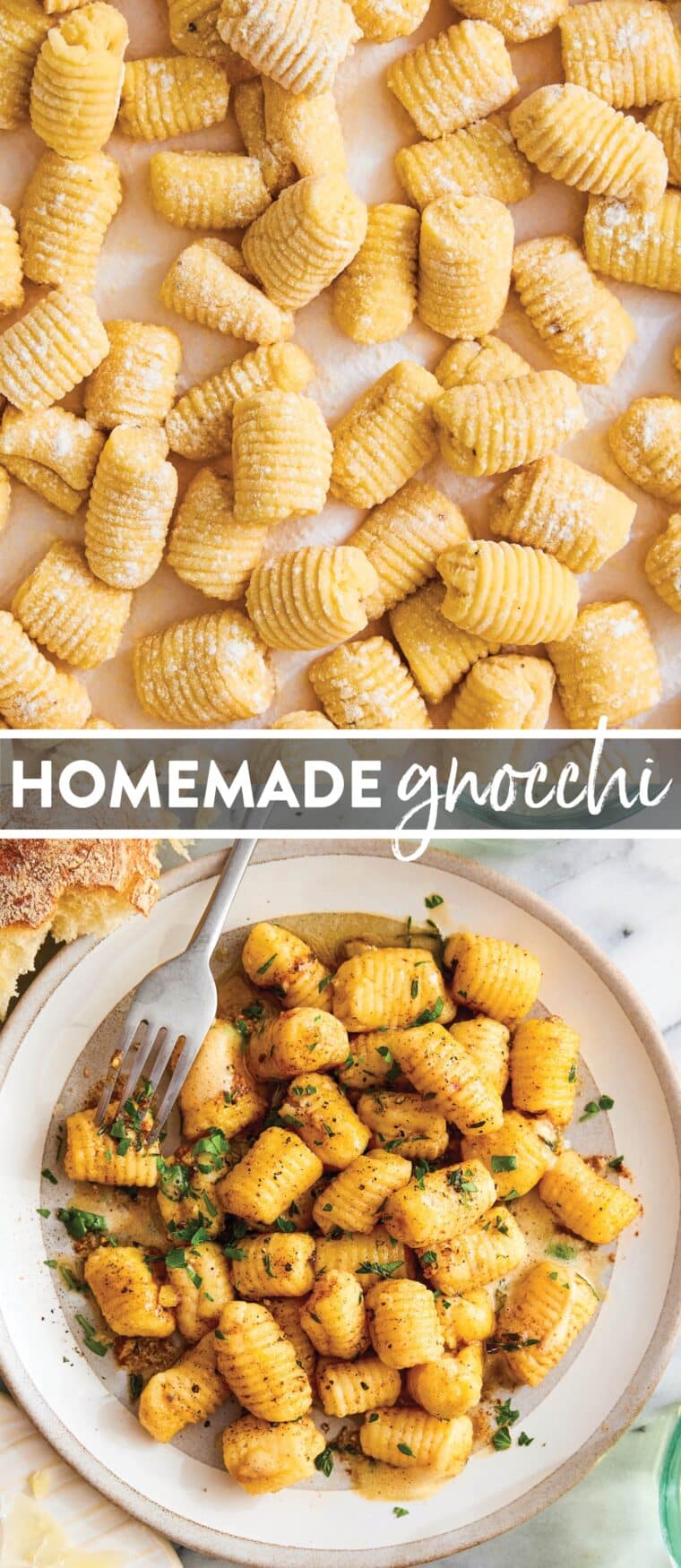
5 ingredient easy homemade potato gnocchi! So light, pillowy, and fluffy! You won’t be able to go back to store-bought gnocchi after this.
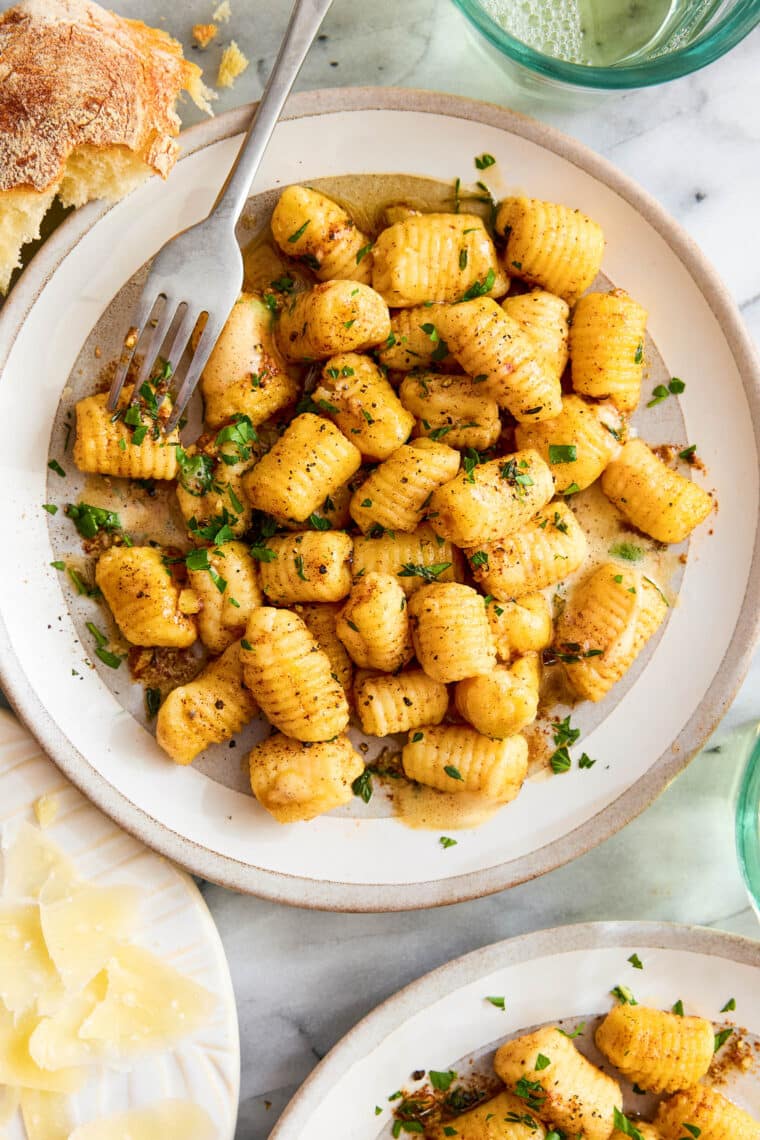
Why you’ll love homemade gnocchi
- Tastes so much better than packaged gnocchi. Homemade gnocchi is ultra soft, pillow-y and light. There is truly no contest with store-bought gnocchi.
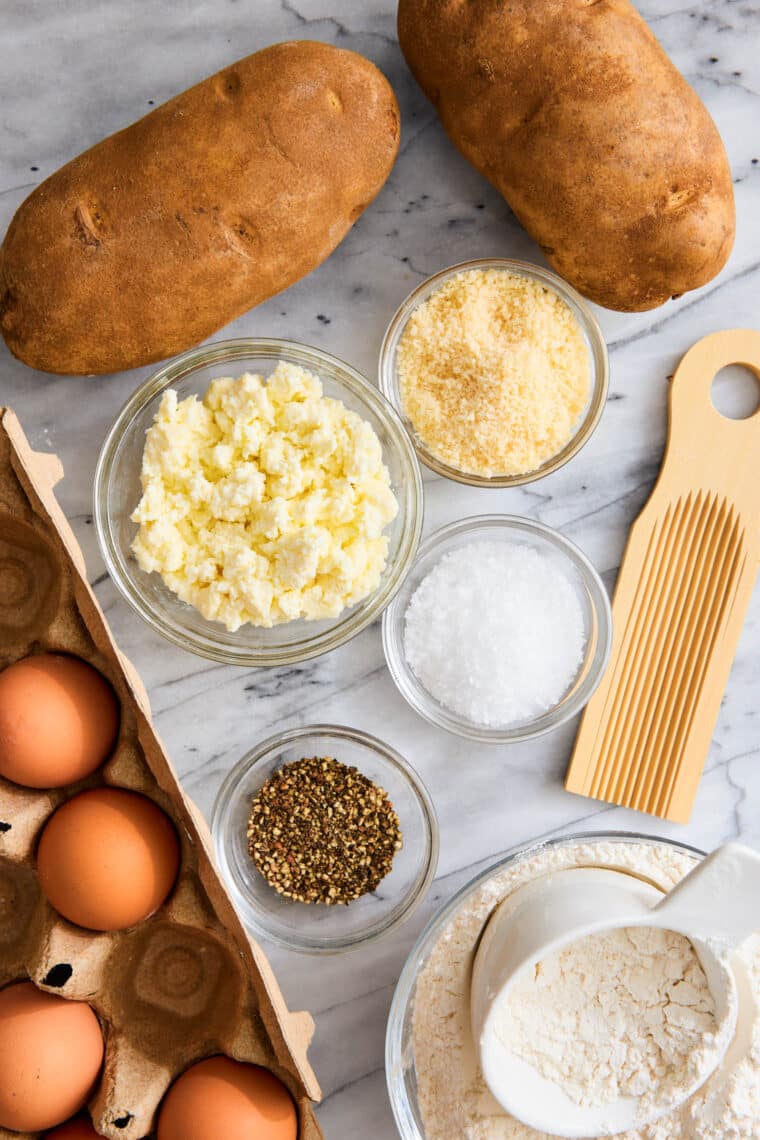
- Short ingredient list. From-scratch gnocchi is easier to make than you think, requiring only 5 ingredients – potatoes, flour, ricotta, Parmesan, and egg. And with these easy-to-follow tips and tricks, you’ll be making gnocchi like a pro by the end of the night.
- Fool-proof recipe. Gnocchi may seem a bit daunting and intimidating at first, but this recipe is easy, straightforward and absolutely fool-proof, even for all you first-timers out there!
- Freezer-friendly. Uncooked gnocchi freeze and reheat like a dream, keeping in the freezer for up to 2 months for all your future gnocchi-needs during those busy weeknights. Just prep your sauce and you’ll be ready to go!
what is gnocchi?
Gnocchi are typically categorized as a type of pasta in Italian cuisine, made primarily of potatoes, flour and egg. When made well, gnocchi will be light and airy, primarily serving as a vehicle for accompanying sauce, similar to pasta. Due to their subtle flavor, gnocchi can be paired with a variety of sauces (ex. tomato sauce, cream sauce, butter sage sauce) or incorporated into soups and casseroles.
key Ingredients
Potatoes
Use starchy potatoes such as russet potatoes or Yukon Golds.
Flour
Unbleached all-purpose flour is a standard choice for gnocchi, and most readily available, but 00 flour (finely milled Italian flour) can also be used.
Ricotta
Ricotta has a high protein and fat content, giving the gnocchi their pillow-y soft and light goodness.
Parmesan
Parmesan adds those favorited rich, nutty, savory flavors, and also reduces (or eliminates) the need for salt.
Egg
The egg serves as a binder, making the dough easier to work with and keeping the gnocchi together when cooked.
Salt and pepper
Always season, to taste.
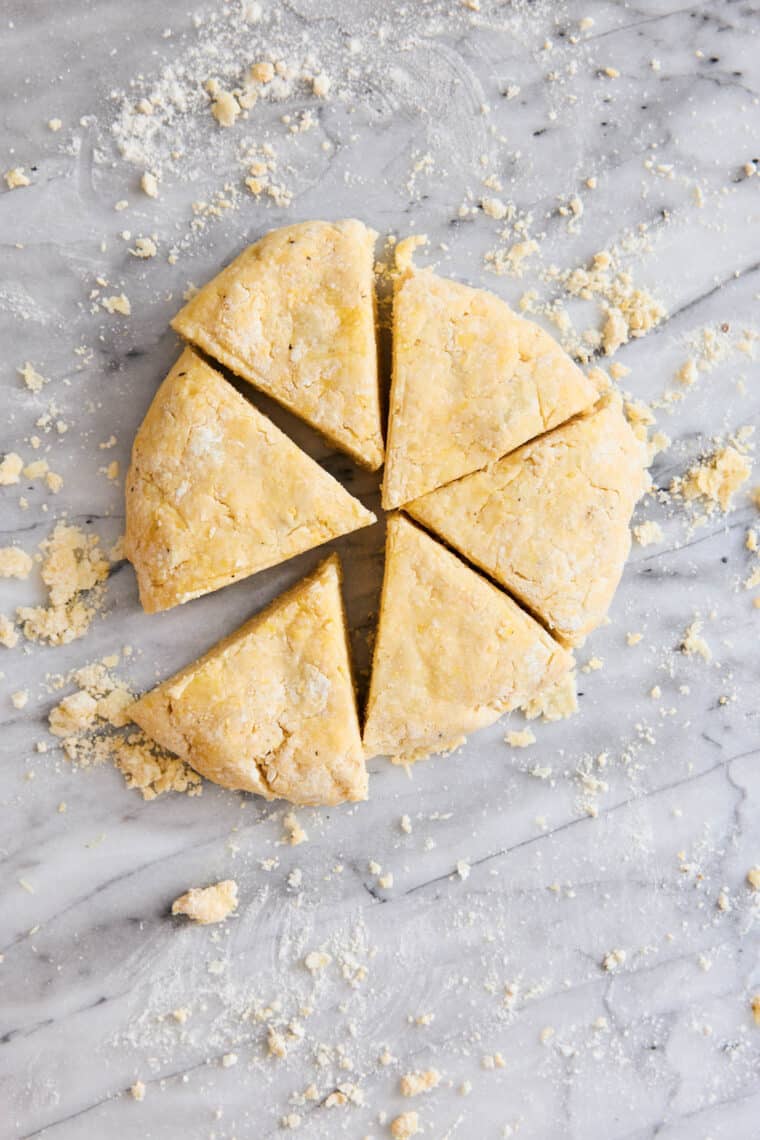
How to make homemade gnocchi
- Bake the potatoes. Piece the potatoes all over using a fork to let the steam escape. Place the potatoes on a baking sheet lined with parchment paper, then bake until tender, about 45 minutes to 1 hour.
- Rice the potatoes. Peel the warm potatoes, then run them through a potato ricer into a large bowl.
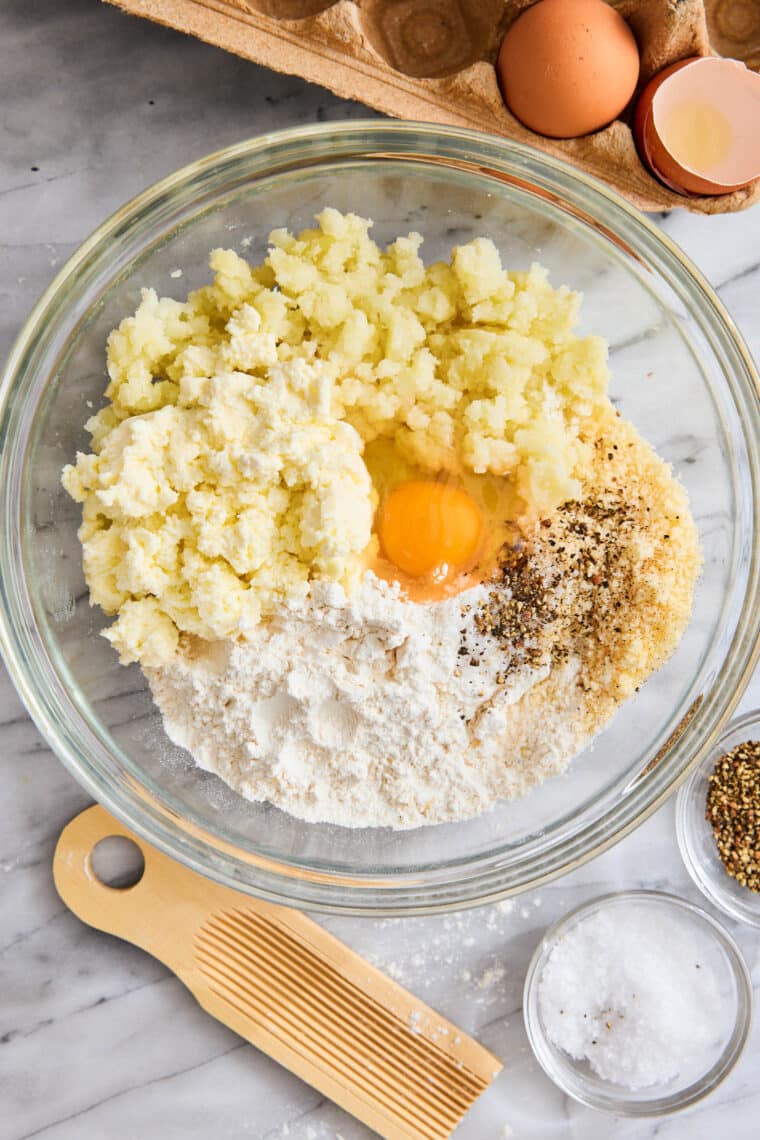
- Mix the dough. Combine 1 1/2 cups of the riced potatoes, flour, ricotta, Parmesan, egg, salt, and pepper just until a soft dough forms. Pro tip: avoid over-kneading the dough or the gnocchi will be rubbery.
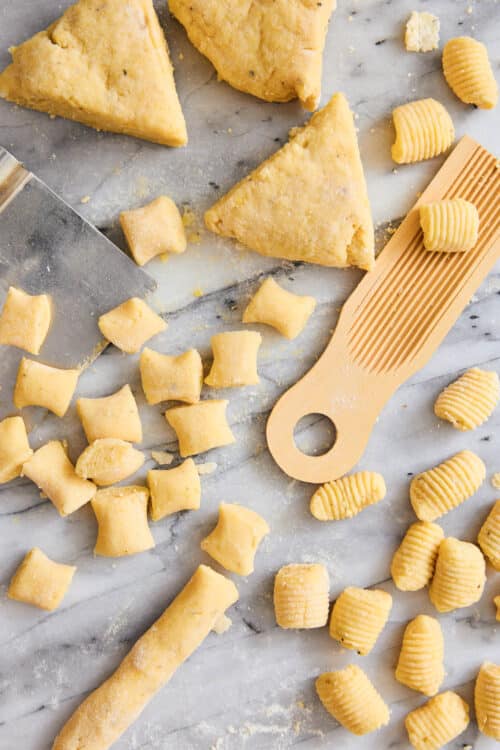
- Shape the gnocchi. Divide the dough into 6 pieces, then roll each piece into a 1-inch thick rope on a lightly floured surface. Cut into 3/4-inch pillows.
- Made ridges. Press each pillow against the tines of a fork or gnocchi board to add ridges.
- Cook the gnocchi. Cook the gnocchi in a large pot of boiling salted water until they float to the surface, about 2-3 minutes. Transfer using a slotted spoon, tossing with your favorite sauce such as homemade pesto or tomato sauce.
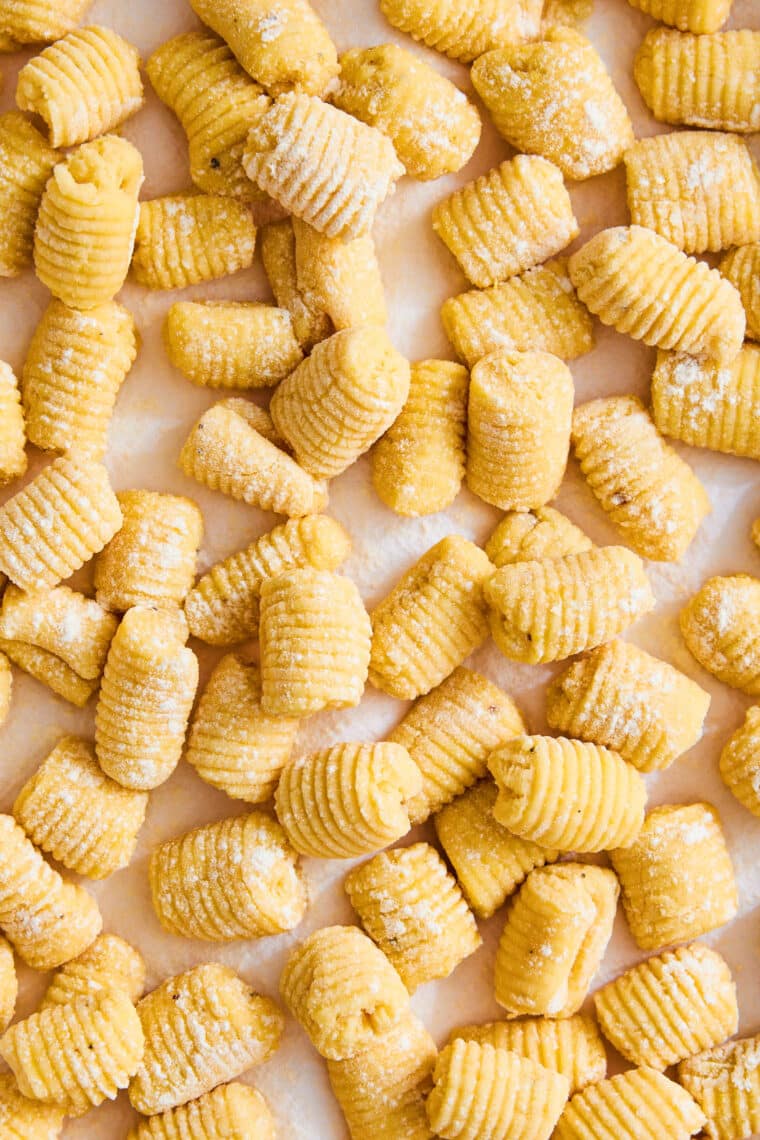
how to avoid dense, chewy gnocchi
Cook immediately.
Cook the gnocchi immediately once shaped. Storing the gnocchi in the fridge for long periods of time can dry them out, leading them to absorb too much water once boiled and cooked.
Use the right potatoes.
Russet potatoes or Yukon Golds are ideal for their high starch and low moisture content, absorbing less flour to keep the gnocchi light and tender. Waxy potatoes (reds, fingerlings, and new potatoes) have a higher moisture content and can result in dense, gummy gnocchi.
Avoid adding too much flour.
This is typically the most common culprit for chewy gnocchi. The dough should be soft and pliable, but not sticky.
Do not overmix.
Knead the dough gently until all the ingredients are just incorporated. Overmixing will develop gluten, yielding dense, tough gnocchi.
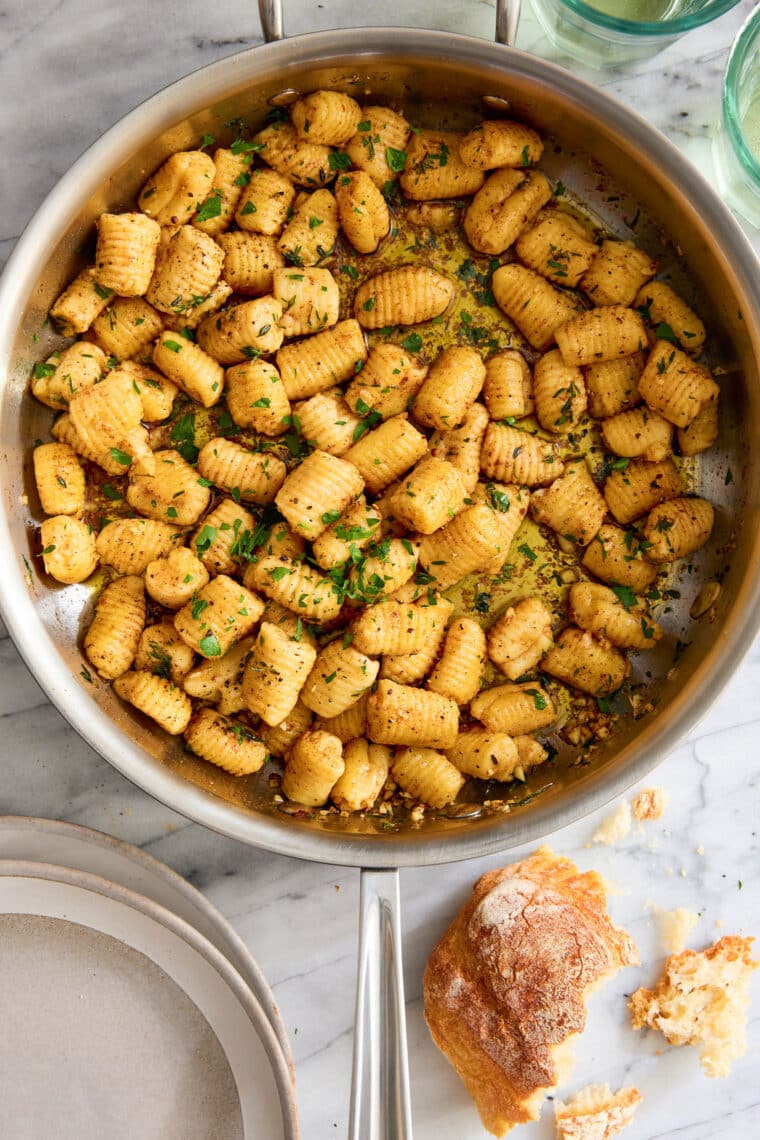
pro tip
Use a gnocchi board for ridges (optional).
A rigagnocchi, also known as a gnocchi board, can be used to shape gnocchi and create ridges to help sauce cling to the gnocchi (and trap in all the lovely sauce). The back of a fork can also be used to create ridges.
Plan ahead.
If you are planning to cook the fresh gnocchi right away, be sure to have a sauce recipe prepped and ready to go as gnocchi tends to cook fairly quickly (about 2 minutes in heavily salted boiling water). Gnocchi can also be set aside at room temperature, covered, for about 30 minutes, or stored in the fridge for 24 hours, or in the freezer for long term storage (more on that below).
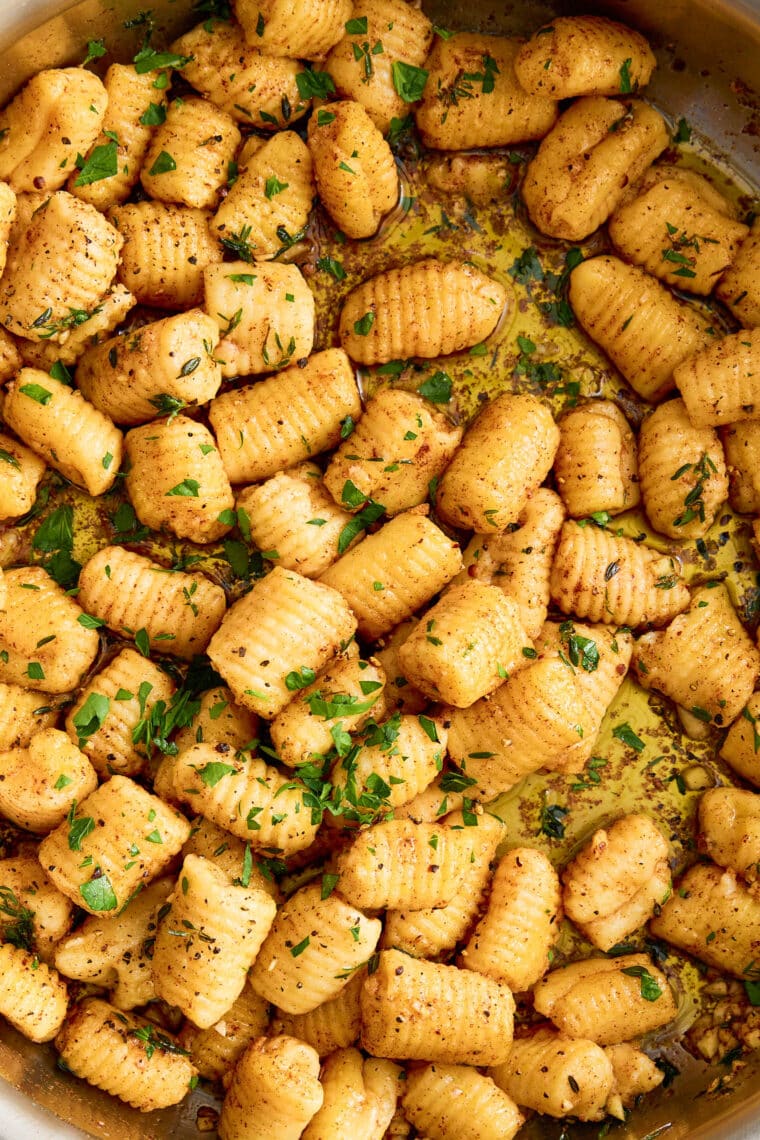
how to serve gnocchi
Gnocchi can be served in so many different ways, tossed in homemade pesto, a quick tomato sauce, ragu, or a classic sage butter sauce. Gnocchi can also be added to soups like this chicken and gnocchi soup.
more favorited gnocchi recipes
- Creamy Sausage Gnocchi
- Chicken and Gnocchi Soup
- Creamy Chicken and Gnocchi
- Sun Dried Tomato Chicken and Gnocchi
- Brown Butter Sweet Potato Gnocchi
Tools For This Recipe
Homemade Gnocchi: Frequently Asked Questions
The potatoes are ready when a knife or fork slides into the center with little resistance.
A standard box grater (using the small or coarse holes) will also work very well.
A gnocchi board is completely optional to create ridges for the sauce to cling onto. If a gnocchi board is not available, the back of a fork can also be used.
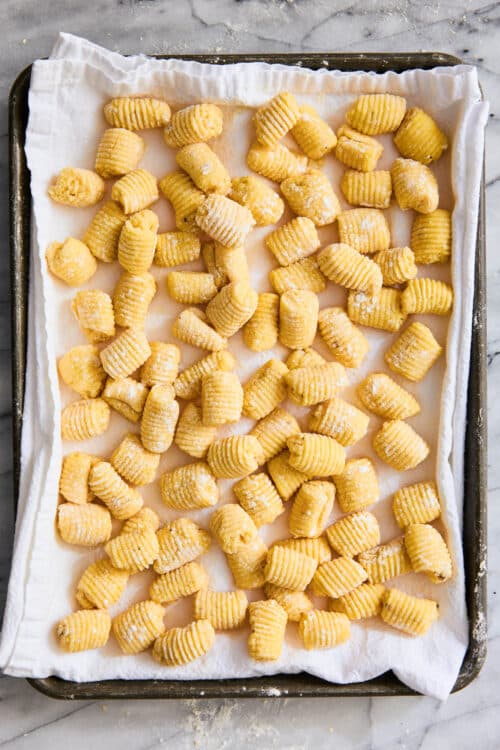
Gnocchi can be stored at room temperature, covered with a dish towel in a single layer, for about 30 minutes, or in the fridge for 1 day.
Place the uncooked gnocchi on a baking sheet lined with wax paper or parchment paper, freezing for 1 hour until solid. Then transfer the gnocchi to an airtight, resealable freezer bag, freezing up to 2 months.
Not at all! There is no need to thaw frozen gnocchi prior to using.
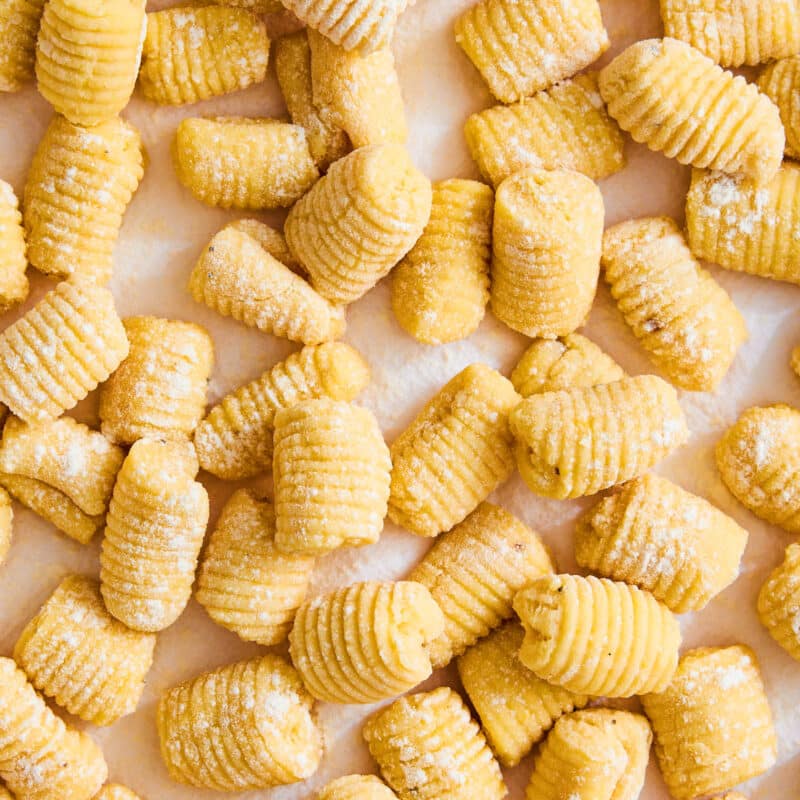
Homemade Gnocchi
Ingredients
- 2 medium russet potatoes
- 1 ½ cups all-purpose flour
- ½ cup whole milk ricotta
- ¼ cup freshly grated Parmesan
- 1 large egg
- Kosher salt and freshly ground black pepper, to taste
Instructions
- Preheat oven to 400 degrees F. Line a baking sheet with parchment paper.
- Pierce potatoes with a fork; place potatoes onto the prepared baking sheet. Place into oven and bake until tender, about 1 hour.
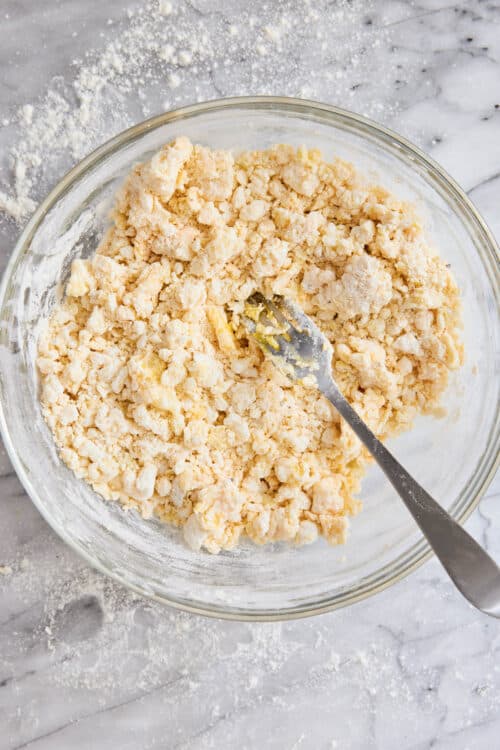
- Peel the potatoes. Using a potato ricer, rice the potatoes, then transfer 1 1/2 cups to a large bowl. Stir in flour, ricotta, Parmesan, egg, 3/4 teaspoon salt and 1/4 teaspoon pepper.
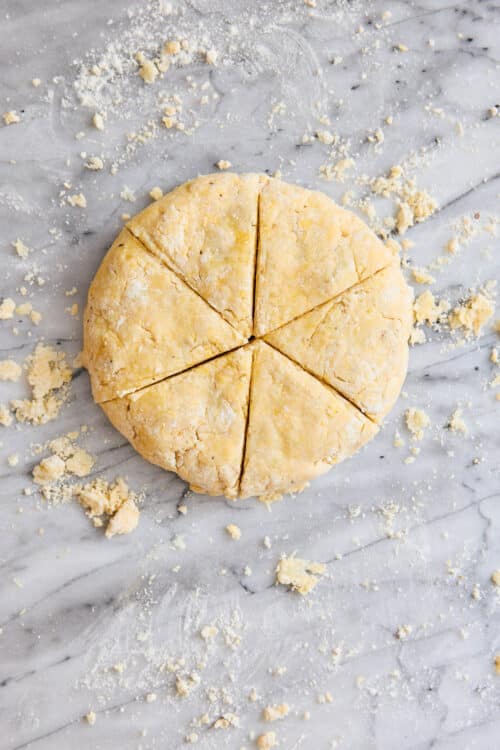
- Working on a lightly floured surface, divide dough into 6 equal pieces.
- Roll each piece into an 18-inch long rope, about 1-inch in diameter, sprinkling with additional flour as needed to prevent sticking. Using a sharp knife, cut each rope into 3/4-inch bite-size pieces; transfer to baking sheet.
- In a large pot of boiling salted water, cook gnocchi in batches until tender, stirring occasionally, about 2-3 minutes. Drain well using a slotted spoon and transfer to a clean rimmed baking sheet.
Equipment

Notes
- Bake instead of boil. Bake the potatoes to avoid excess moisture, requiring less flour for the dough and thus, yielding pillowy gnocchi.
- Rice the potatoes while they are still warm. Warm potatoes will break down very easily through a potato ricer.
- Cook in salted water. Cook the gnocchi in generously salted boiling water, allowing the gnocchi to be seasoned from the inside out.
- When it floats, they’re cooked. Gnocchi is cooked once they float to the surface, about 2-3 minutes. Be careful not to let the gnocchi overcook as it will become soft and mushy. If the gnocchi has been accidentally overcooked, try pan-frying for a crispy exterior.
- Homemade gnocchi is delicate. Using a colander to drain the gnocchi can cause the gnocchi to tear or fall apart. Always use a slotted spoon or spider strainer.
- Freeze as needed. Place the uncooked gnocchi in a single layer on a heavily floured parchment-lined baking sheet, letting them air dry at room temperature for at least 1 hour. Transfer the baking sheet to the freezer until solid, about 1 hour (flash-freeze), then transfer the gnocchi to an airtight, resealable freezer bag. Label, date, and freeze up to 2 months.
- Skip the thaw. To use, skip the thaw and cook the frozen gnocchi directly in boiling salted water, adding a few more minutes to the cook time.
Did you make this recipe?
Tag @damn_delicious on Instagram and hashtag it #damndelicious!
Featured Comment