


Panda Express Chow Mein Copycat


This post may contain affiliate links. Please see our privacy policy for details.

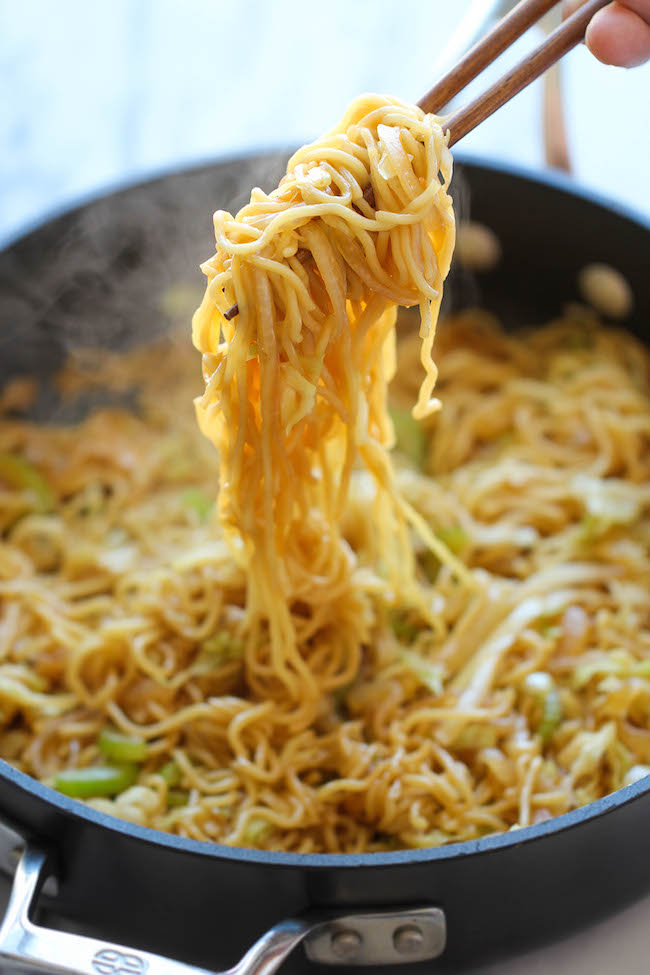
This Panda Express chow mein copycat version can be made in just 20 minutes right at home (and it tastes so much better than the original!).

Featured Comment
Why you’ll love Panda Express Chow Mein Copycat
- Lightning fast recipe. This is a speedy 20 minute recipe start to finish. It’s so much faster than delivery or takeout using Yaki-Soba noodles, onion, celery, cabbage, and an easy stir-fry sauce.
- Uses better-quality ingredients. You can use high quality oils and avoid unwanted sodium and preservatives, loading this up with all the feel-good veggies, perfect for those picky eaters!
- So customizable. Making this at home allows you to completely customize this dish with what you have on hand, adding in leftover proteins (for example, rotisserie chicken) and lingering veggies to transform this into a hearty main dish.
What is chow mein?
This is a popular Chinese dish that translates to “stir fried noodles” in Cantonese. The noodles are stir fried or pan-fried, resulting in a crispier texture in a light sauce whereas lo mein noodles are softer and fully boiled with a richer sauce.

Key Ingredients
- Noodles: Yaki-Soba noodles, ramen noodles, or fresh Chinese egg noodles
- Vegetables: onion, celery, and cabbage
- Sauce: soy sauce, garlic, brown sugar, ginger, and white pepper
How to make Panda Express Chow Mein Copycat
- Cook the noodles. Boil the Yaki-Soba noodles until loosened, about 1-2 minutes, rinsing with cold water to halt the cooking process.
- Prep the stir fry sauce. Combine the soy sauce, garlic, brown sugar, ginger, and white pepper.
- Stir fry the vegetables. Cook the onion and celery in a large cast iron skillet over medium high heat until tender, then stir in the cabbage until softened.
- Combine and toss. Stir in the Yaki-Soba noodles and stir fry sauce until the noodles are evenly coated in the sauce.

What to serve with Panda Express Chow Mein Copycat
Tools For This Recipe
Panda Express Chow Mein Copycat: Frequently Asked Questions
Yaki-Soba are ramen-style noodles and can be found in the refrigerated aisle of your local grocery store.
Ramen noodles (without the seasoning packet) and lo mein noodles are both excellent substitutes.
Their chow mein includes a simple trio of onion, celery, and cabbage.
Absolutely! This recipe is incredibly flexible and forgiving, and it’s the perfect opportunity to use up leftover protein (chicken, steak, pork, or shrimp) and veggies (carrots, mushrooms, bell peppers, or bok choy).
Store leftovers in an airtight container in the fridge for 3-4 days, reheating on the stovetop over medium heat in a skillet or wok with a splash of water or broth for 3-4 minutes (to restore its original texture).
Panda Express Chow Mein Copycat
Video
Ingredients
- 2 (5.6-ounce) packages refrigerated Yaki-Soba, seasoning sauce packets discarded*
- ¼ cup reduced sodium soy sauce
- 3 cloves garlic, minced
- 1 tablespoon brown sugar, packed
- 2 teaspoons freshly grated ginger
- ¼ teaspoon white pepper
- 2 tablespoons olive oil
- 1 onion, diced
- 3 ribs celery, sliced diagonally
- 2 cups shredded cabbage
Instructions
- In a large pot of boiling water, add Yaki-Soba until loosened, about 1-2 minutes; rinse with cold water and drain well.
- In a small bowl, whisk together soy sauce, garlic, brown sugar, ginger and white pepper; set aside.
- Heat olive oil in a large cast iron skillet over medium high heat. Add onion and celery, and cook, stirring often, until tender, about 3-4 minutes. Stir in cabbage until heated through, about 1 minute.
- Stir in Yaki-Soba and soy sauce mixture until well combined, about 2 minutes.
- Serve immediately.
Equipment

Notes
- Prep beforehand. This recipe comes together quickly. Have all the ingredients and sauce ready to go prior to cooking.
- Use reduced sodium soy sauce. Reduced sodium has less sodium and less salt without compromising flavor.
- Cook until al dente. Cook the Yaki-Soba noodles just until al dente as they will continue to cook when stir-fried.
- Rinse noodles with cold water. This will stop the cooking process to tighten the starches and keep the noodles from clumping.
- Reheat on the stovetop. Reheat the leftover noodles in a skillet or wok to prevent soggy noodles and to revive the original crisp texture.
Did you make this recipe?
Tag @damn_delicious on Instagram and hashtag it #damndelicious!

I’ve only eaten at Panda Express once (in Mexico City of all places!) but I’m pretty excited about being able to recreate it at home!
Where are the bean sprouts?
I did not add them in this recipe but feel free to add them in to taste!
If I’m using a 16oz package of noodles how much more should I add to the other ingredients?
Unfortunately, without further recipe testing, I cannot answer with certainty. As always, please use your best judgment regarding substitutions and modifications.
Mathematics says 30% (1/3) more of everything. It’s cooking and therefore forgiving.
This looks amazing Chung-Ah! Way better than any takeaway 🙂
http://youtube.com/addalittlefood
I don’t even really like chow mein that much, I know, I know. But seriously, you made me want to eat a huge pile of it! GORGEOUS shots! The steamy hero shot, mmm, glorious. Love it! 🙂
Thanks for the recipe! When do you add the celery? I assume with the onions but the recipe doesn’t say.
Mikey, yes, you would add it with the onion. Thanks for letting me know!
It does say to add it with the onions!
Yes – now! The original comment was 6 months ago.
Thats bcos u saw the post in 2015 whereas that question was posted in 2014, probably when it was first out. Lol. And has been corrected.